All Posts By

Nina Glynn

Is the tap running dry for alcohol? No-low boom sees 50% turning down the tipple…


Smiling man sips on low-alcohol beer drink.

With more people than ever trying Dry January this year, record sales of no and low alcohol already being reported, and the emergence of a new generation that’s shunning the pub, are we seeing a gradual shift towards a booze-free future?

It’s not unusual for January to be a time of abstinence. Fresh starts and a ‘New Year, New You’ attitude always see a collective detox. But with the pandemic precipitating a new wave of health-consciousness, will this year’s dry Jan be more long-term than usual? With record numbers of people turning to no and low alcohol alternatives over the last 18 months (the category saw a 32.5% uplift in early 2020 [Nielsen]), and a new generation of consumers that drink less than any that went before them (only 15% of Gen Z drink weekly, compared to 36% of boomers [Lombardo]), are we beginning to see a major shift in behaviours around drinking?

We asked our global insights community about their changing attitudes and behaviours towards alcohol, the impact of the pandemic on their approaches to health and whether or not they’ll be doing dry January this year. This is what they had to say…
To drink or not to drink…. That is the question

With Covid-19 triggering a new urgency around health-conscious consumption, exactly half of our community have committed to Dry January this month. Their reasons? 70% wanted to take better care of their bodies, 30% wanted to save money and 38% attributed their decision partly to the pandemic, saying coronavirus affected their choice to attempt an alcohol-free month. Anecdotally, we’re seeing a rise in a ‘It’s lockdown… I can’t go out anyway. I may as well use this time to not drink’ attitude, combined with the virus increasing a focus on health. 

“I find Dry Jan really great for my body and my mind"

Bulbshare user, Male, 23, 🇬🇧

"I find it to be a good option. It’s overdue as we all drink far too much anyway"

Bulbshare user, Female, 50 🇬🇧

Putting the lid on the bottle?
With only 25% of our global community having tried Dry Jan before, and 50% doing it this year, we can see a big rise in those wanting to get healthy and ditch the drink. In addition to the half of our audience who are going dry this month, 30% said they knew someone else attempting a sober January. Anecdotal responses also reported an increase in those extending their period of abstinence into February too – with frequent mentions of ‘carrying it on as long as they can’. 

"I find Dry January to be very interesting, fun and challenging"

Bulbshare user, male, 25 🇦🇺

"I’m more inclined to drink non alcoholic drinks 99% of the time, even after dry Jan"

Bulbshare user, female, 19 🇬🇧
Locking down the alcohol cabinet?
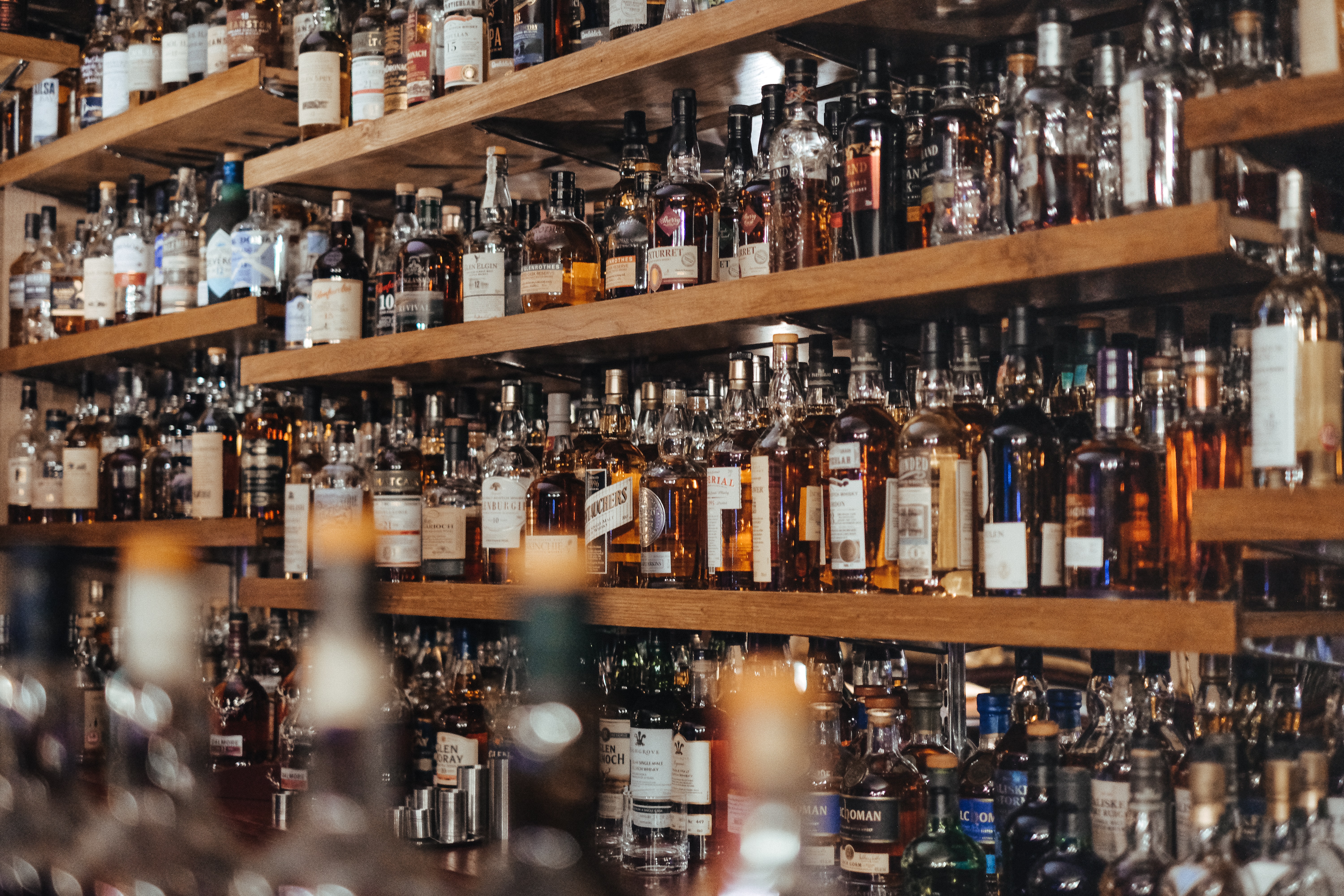
Quarantine also contributed to the community’s decisions regarding Dry January and a move towards no-low options. With the closure of pubs and bars, our community saw this month as the perfect time to give sobriety a go! 44% said the pandemic affected their decision to do dry Jan.

“Not drinking is easier this year as pubs are not open"

Bulbshare user, Male, 32 🇬🇧

"The pandemic has made me more health-conscious"

Bulbshare user, Male, 44🇬🇧

“We are spending so much time at home currently that it’s the perfect place to start. When we do get more social (eventually!) it would be nice to have an alternative to a full-alcohol drink"

Bulbshare user, Male, 42 🇨🇦

No-low rising… Last orders for full alcohol drinks?
Our community is excited about this sober revolution – and a future filled with more and better no and low alcohol options. 40% of our global community stated they were more inclined to try low-alcohol drinks this year as opposed to other years, and half said they would drink them at home, in a bar, or with a meal out.

"I think they are a great way to maintain low alcohol intake whilst still enjoying it"

Bulbshare user, Female, 75 🇬🇧

"I enjoy the lighter taste"

Bulbshare user, Female, 61 🇨🇦

"I think they have a good taste and are much better for your health"

Bulbshare user, Female, 30 🇬🇧

The everywhere drink…
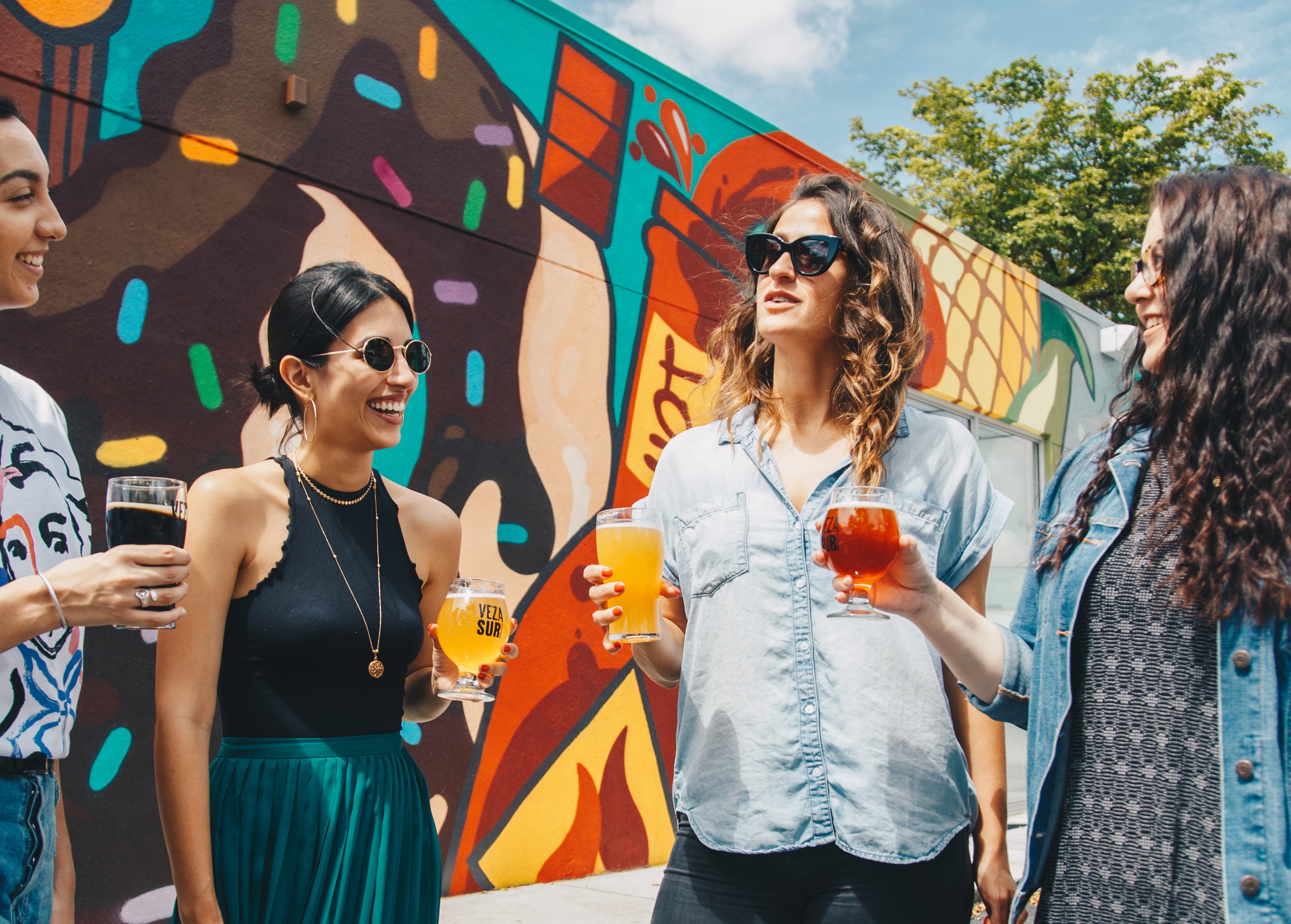
When asked where they would consider drinking low-alcohol alternatives, our community responded that they would drink them anywhere and everywhere. Be it the pub after work, a business lunch or a child’s party, the benefits of not drinking beverages with high alcohol content were evident. With the inconvenience of tipsiness removed but the full flavour retained, people were keen to drink these options at any occasion.

"I would drink a low or no alcohol beer if I was out somewhere but had to drive or had a long journey home the next day, but still wanted the taste and feeling I get when drinking beer."

Bulbshare user, Female, 53 🇬🇧

"I would drink low alcohol drinks when entertaining friends and family at home. I particularly enjoy low alcohol mojitos in the spring/summer. I would also drink low alcohol drinks at a restaurant for a nice dinner out with my husband and friends."

Bulbshare user, Female, 41 🇨🇦

"I would definitely drink them at a baby shower, events involving kids or a business lunch / event"

Bulbshare user, Female, 37 🇺🇸
But it’s not just alcohol people are consuming less of…
Food was also a big topic for our Bulbsharers, with 89% claiming they want to eat more healthily this year, 72% aiming to cut down sugar intake and 83% intending to eat less processed food.

"I am trying to be more healthy in terms of eating, reducing alcohol, walking, meditating and finding new hobbies"

Bulbshare user, Female, 29 🇺🇸

Mind, body and soul…
With many people claiming that limiting alcohol was an important step towards better mental health, we also observed an increased determination around self-improvement and self-care. When 62% of people struggled with their mental wellbeing in 2020, the resolve to have a happier year was palpable. 83% of audiences intended to use mindfulness apps, 56% of people hoped to speak to a professional about their mental health and 83% wanted to institute better routines for exercise and sleep.

"I am coping and trying to stay positive by finding ways of engaging myself in activities that I find enjoyable, maybe by just walking in the park, visiting the mountains and admiring the general beauty of nature"

Bulbshare user, Male, 37 🇨🇦

"I am doing my best to avoid negative thoughts. I listen to happy and energetic music, sometimes I meditate and do yoga. I also watch a lot of motivational videos"

Bulbshare user, Female, 19 🇬🇧

"'What doesn't kill you, makes you stronger'. I believe we all are going to have a stronger, better year in 2021, taking into consideration the fact that everyone was forced to spend most of the time at home and weren't able to enjoy life the way we used to. This next year will be a better year for happiness."

Bulbshare user, Male, 46 🇨🇦

2021: Health is wealth
With a noticeable trend of saving money and looking after one’s physical and mental health, the crucial brand takeaway is that this will be a year of sensible decisions, cautious spending and health consciousness. Our customer polls informed us that 50% of people want to save more money than last year, 33% want to get out on more walks and 89% want to make more home-cooked meals – on top of a big drive toward drinking less. 

"Last year was a big missed opportunity when it came to saving. So this year I need to save more"

Bulbshare user, Male, 27 🇺🇸

"2020 has shown the importance of saving as much as possible. You don't know what's around the corner"

Bulbshare user, Male, 35 🇺🇸
woman drinking water

Brand tool-kit:

  1. Healthy, happy, positive branding. Repurpose your branding and product towards this collective vision of a year of mental and physical wellbeing. Can your brand mission promote this better future of healthy bank accounts, minds and bodies?
  2. Show your caring side. With so many of our community members reporting an increased interest in self-care, your brand voice can tap into this need for compassion.
  3. Sobriety rising. Our customer surveys showed that no-alcohol drinks are on the rise. So, with these insights in mind, promote low-alcohol and healthier options where you can. Your audience has never been so receptive.
  4. A year of austerity. With so many in our community telling us they are looking to budget and cut back this year, and with one of the few reservations around low and no-alcohol options being the cost, brands should be promoting value, low-cost and budgeting options for what is set to be a tough financial year for many.

To find out how Bulbshare could benefit your organisation, please contact Michael Wylie-Harris on michael@bulbshare.com

The 10 key consumer shifts of 2020… And what they will mean for your brand this year

There’s no denying it, 2020 was a year like no other. 12 months ago, who could have predicted a New Year’s Eve spent at home or Christmas shopping being done in masks?

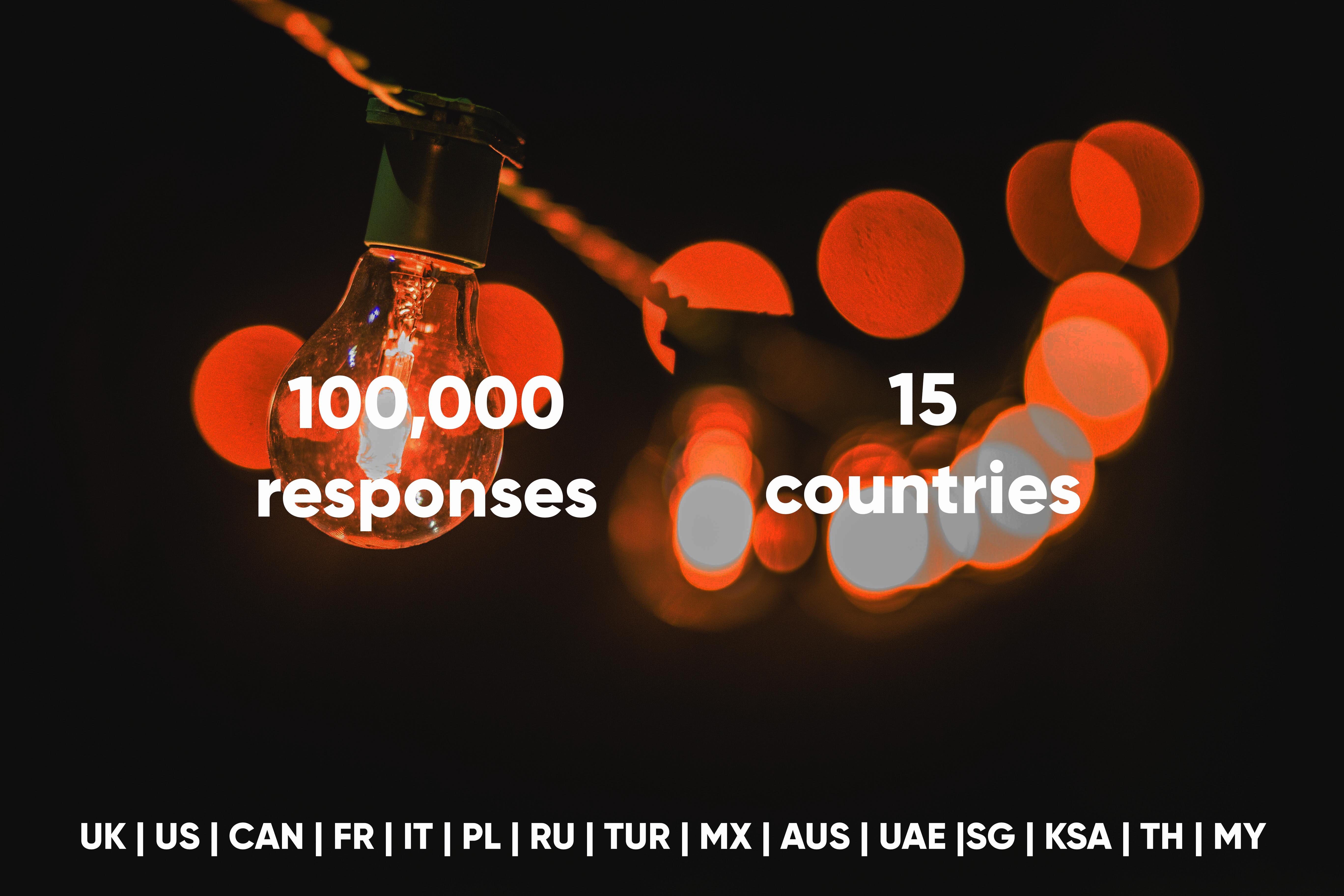
In a time of widespread isolation, the idea of ‘community’ has never been more important and online connections have been the life-blood of families, friends and colleagues all over the world. Our global online communities provided hundreds of thousands of responses over the course of 2020 – and from a year that saw so many shifts in consumer attitudes and behaviours, we’ve compiled our top 10 insights, along with how they should inform your brand’s plans for 2021…

Benevolent branding

1) A social conscience reigns supreme. 

Our online focus groups – particularly Gen Z – showed an appreciation for brands that demonstrated an interest in social causes. Whether this was taking an interest in sustainability, improving diversity in ad campaigns or showing altruism during the pandemic, Bulbshare users reported a preference for socially aware businesses. Many noted Pret’s NHS discounts, Dove’s body confidence campaigns, and L’Oreal’s sanitiser donations as worthy examples of brand compassion. 

And this concern for magnanimity isn’t going anywhere; this year has changed the landscape of activism indefinitely. When 62% of respondents said brand diversity impacts their perception of a company and 34% said they have stopped shopping at brands because of a lack of representation, your brand should listen and take note for 2021, a year of a more conscious consumer. 

“When I go to buy something I research the company to find out how much it is involved in social causes.”

Bulbshare user, 41 🇧🇷

Brand takeaway for 2021:

Consider how exhibiting a philanthropic and charitable attitude could help your brand, as well as people in need. Remember, authenticity is important rather than jumping on a bandwagon: back up your words with real actions and sincerity.

2) We shopped locally till we dropped.

With our global insight communities reporting over 70% participation in more locally-sourced food shopping, it’s evident that buying local is a major priority. Sustainability, supporting the local economy, ethics and price all played into this decision.

“Due to the current pandemic I have chosen to support the local economy and buy from new and small businesses.”

Bulbshare user, 21 🇲🇽

Brand takeaway for 2021: 

Focus on marketing to consumers in the area and highlighting the need to support the local economy. Shout about your locally sourced products, how you support local producers and invest in initiatives that support local communities.  

3) Sustainability sells 

This year has proved that consumers have an appetite for ecologically ethical products like never before. In conjunction with having a social purpose, consumers are overwhelmingly demanding more sustainable products and services in every market – with the virus’s impact on travel only serving to highlight the affects of reducing food miles and carbon footprints. 

Companies like Patagonia have cultivated a massive following over the years because of their commitment to helping the environment. However, promoting your eco-friendliness includes being completely transparent in your brand’s practices and processes: the consumers of 2021 will not be fooled by greenwashing. Find out more here.

“I would like to see more content regarding waste reduction, social security and environment issues.”

Bulbshare user, 42 🇲🇾

Brand takeaway for 2021: 

Consider how your service impacts the environment. Can you pledge to contribute to a greener future or source your products more ethically? Make sure you’re vocal about your efforts to protect wildlife and workers.

4) We love self-love

One of the prominent themes we see emerging in the post Covid-19 world is the need for self-improvement – mentally, emotionally, and physically. With restaurant closures catalysing more home cooking, consumers have been more health-conscious when it comes to food. Similarly, home workouts have dramatically increased in popularity, whilst jogging and walking have provided an excuse to get out the house for fresh air. And when 70% of our global community have reported an increase in anxiety levels this year, the focus online has shifted to ‘mental health days’, ‘self-love’ and ‘meditative introspection’. As 51% of the users on our customer insight service intend to exercise more next year, and mental health has been prioritised more than ever, this trend of self-care is erupting into 2021 with vigour.

“I don't really take time for myself, so I think one thing I will start doing is taking more care of my health. So exercising more on a regular basis and really making that impact on my lifestyle to stay healthy."

Bulbshare user, 28 🇬🇧

Brand takeaway for 2021:

Can you market your product towards a vision of a healthier, happier life? Emphasise self-care (mental and physical) and shout about your healthy, happy benefits.

Community Spirit

5) Influencers lost their influence

The year of clapping for the NHS and checking in on neighbours had little patience for social media influencers. Our digital research communities reported that influencer marketing is falling out of favour and trust in sponsored posts is diminishing. When a social conscience has been more in vogue than ever, ‘vapid’, ‘avaricious’ and ‘superficial’ influencers were seen as a blight on social media. In fact, after the doom and gloom of the year, 36% are looking to cut down on social media and 10% intend to stop completely. Instead of listening to paid endorsements, 84% of Bulbsharers preferred the recommendations of their friends, family and local community. Read more on our ‘Death of the influencer’ blog.

"I never take notice of influencers at all and prefer to make my own purchase decisions or recommendations from family."

Bulbshare user, Female, 19 🇺🇸

Brand takeaway for 2021: 

Authentic voices and advocacy via real customer content will be the route to meaningful consumer connections and commercial success in 2021. 

6) Quality and care above status and luxury

When so many people are separated from loved ones, messages around family, community, time and quality had more meaning during Covid-19 than those focused on status and luxury. With much less disposable income, most consumers want to make a purchase feeling that it is going to better themselves or their family’s lives, not that it was unnecessary. When 45% of users suffered from more stress this year, your brand can do its bit to ease that tension. Even though the future bodes better times, consumers will remember which brands made an effort.

“… It should be mandatory for organisations to recognise the importance of mental health awareness.”

Bulbshare user, Male, 33 🇺🇸

Brand takeaway for 2021: 

Take inspiration from Krispy Kreme’s initiative, in which they doubled the donuts people ordered so customers could give a sweet treat to a neighbour, or do a giveaway for loyal customers. Consider using comforting words in your advertising to connect with consumers. At a time when building digital communities and remote customer connections has never been more important, it’s crucial to engage your communities in ‘always-on’ relationships and ongoing dialogues. 

Consumer Behaviour

7) Last orders?

‘When pubs and bars are being forced to close, 78% of consumers expect to go out less this festive period vs. last year, and only a quarter of audiences anticipate any kind of office party…’ When asked about attitudes and behaviours towards drinking socially this Christmas, our customer intelligence community painted a fairly bleak picture for the drinks industry. 

But that wasn’t the whole picture: 89% of our users will buy alcohol this Christmas because, well, a nice glass of Buck’s Fizz sparks joy. Similarly, 28% of users plan on buying their main alcohol shop online, 20% intend to spend more on premium beers, and 54% want to try new drinks. With 2021 heralding new hope for a better year, there will be lots to celebrate, which inevitably means we will be hearing the sounds of clinking glasses again.

That being said, in a more health conscious society post-covid, 41% have cut down on the number of days drinking and 64% tried a non-alcoholic drink, with 43% intending to spend more on non-alcoholic products. Furthermore, people opted for quality over quantity: in a shift away from little and often, our users preferred premium products. Rather than regular excessive drinking, the trend is moving towards special occasions, cherishing a rare glass, and enjoying a ‘one-off treat’. Discover more about whether the tap will run dry for the drinks industry in our Last Orders webinar: The impact of Covid-19 on the drinks industry this Christmas.

"I’ll buy Bucks Fizz because it has always been a tradition in my family so I want to carry that on as it feels like a time to celebrate"

Bulbshare user, Female, 44 🇺🇸

Brand takeaway for 2021: 

Consider branding your alcohol products for specific occasions such as Christmas, New Year’s Eve, Valentines or Easter. Festive packaging may tap into the desire to have a ‘normal’ Christmas. But when this festive season comes to a close, consider non-alcoholic alternatives for Dry Jan as part of your brand. Can you cut the sugar or calories in your drinks to advertise to health conscious consumers? Can you take advantage of the rising trends for non-alcoholic options? Can you premiumise your product to exploit the need for quality over quantity?

8) Online sales swam while the high-street sunk.

In March, 40% of our respondents claimed that Coronavirus affected the way they shop, saying they will be avoiding supermarkets and shopping online. Now, it is reported that around 75% of shoppers will purchase their Christmas presents online this year. This steady move towards online shopping is proliferating continually, so expect more in 2021.

Since this shift, the UK has seen the closure of Arcadia and Debenhams is in danger. Online shopping continues to grow, with the likes of Amazon and eBay enjoying growth while the highstreet suffers. Read our Post Covid-19 Consumer report to uncover changing attitudes towards shopping in the wake of Covid.

“I am stocking up online on food and on other consumables, such as cleaning materials and toiletries, that I wouldn’t want to be without. My aim is to be able to get by for a month without having to go shopping in person – if it becomes necessary for me to stay at home.”

Bulbshare user, Female, 41 🇬🇧

Brand takeaway for 2021: 

Channel your efforts into online marketing if you haven’t already. Establish your presence on social media and set up shop online. Remember, user experience still matters online: according to Super Office, 86% of buyers are willing to pay more for a great customer experience.

9) The most popular restaurant in town? Your own kitchen.

Food trends that arose this year (and aren’t going anywhere next year) were: the rise of flexitarianism, home-grown produce and eating-in. With financial woes and health concerns troubling the 2020 consumer, an amplified interest in food took hold. What we are eating, where it comes from, and how to DIY it were the themes of the year.

“I do fear that the restaurant industry may not be able to recover, partly because they were closed and could not survive, and partly because people have changed their eating habits over the last few months and they may stick to it. I think a lot of people realized how much money they saved eating at home, and people will eat out less in the future.”

Bulbshare user, Male, 40 🇬🇧

Brand takeaway for 2021: 

Now our covid-consumer knows how to cook, you and your brand should consider branding your service towards that. Whether that translates to a switch towards a more DIY product or a marketing campaign that appreciates the new knowledge gained this year, your 2021 plans should bear in mind the new savvy and health-conscious customer you’re targeting.

10) COVID Consumption

49% of our users said they were spending less during lockdown – and attributed that reduction in spend to eating out less, diminished travelling, pubs and bars being inaccessible, and fewer excursions and days out. As well as cutting back due to concerns about an uncertain economy.

“I have less income and money to spend compared to the last year”

Bulbshare user, Female, 29 🇺🇸

Brand takeaway for 2021: 

The brand takeaway is that people love takeaways – and see them as a cheaper alternative to eating out! Messaging around value, cutting back and sensible pricing will gain cut-through, while an occasional ‘treat yourself’ stance, will also be important among consumers seeking an ‘affordable’ break from austerity living. 

To find out how Bulbshare could benefit your organisation, please contact Michael Wylie-Harris on michael@bulbshare.com